Insights, guides, and updates on clinical trials, research technology, and regulatory compliance.
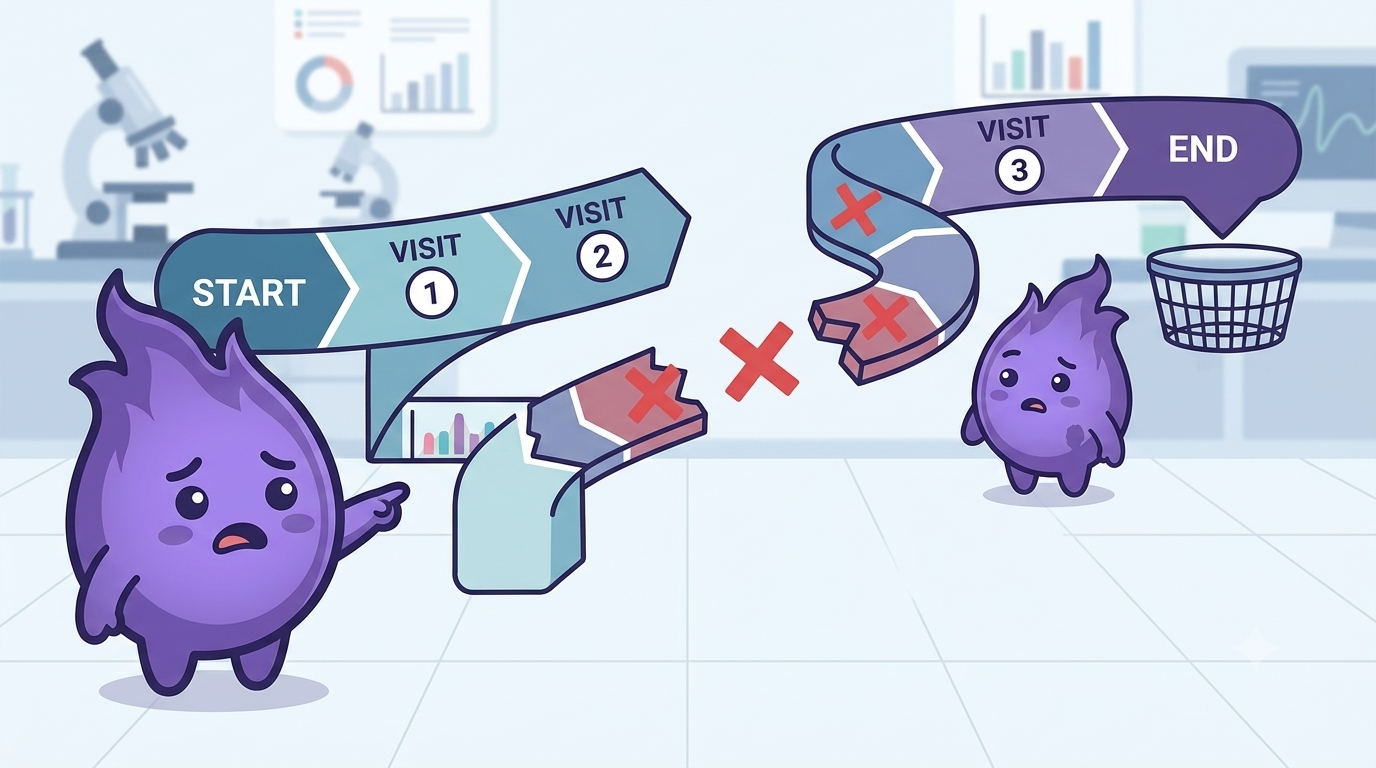
Participants rarely disengage all at once. It often starts slowly, in the middle stretch. This post explores how to spot it, how to respond, and how to design for it.
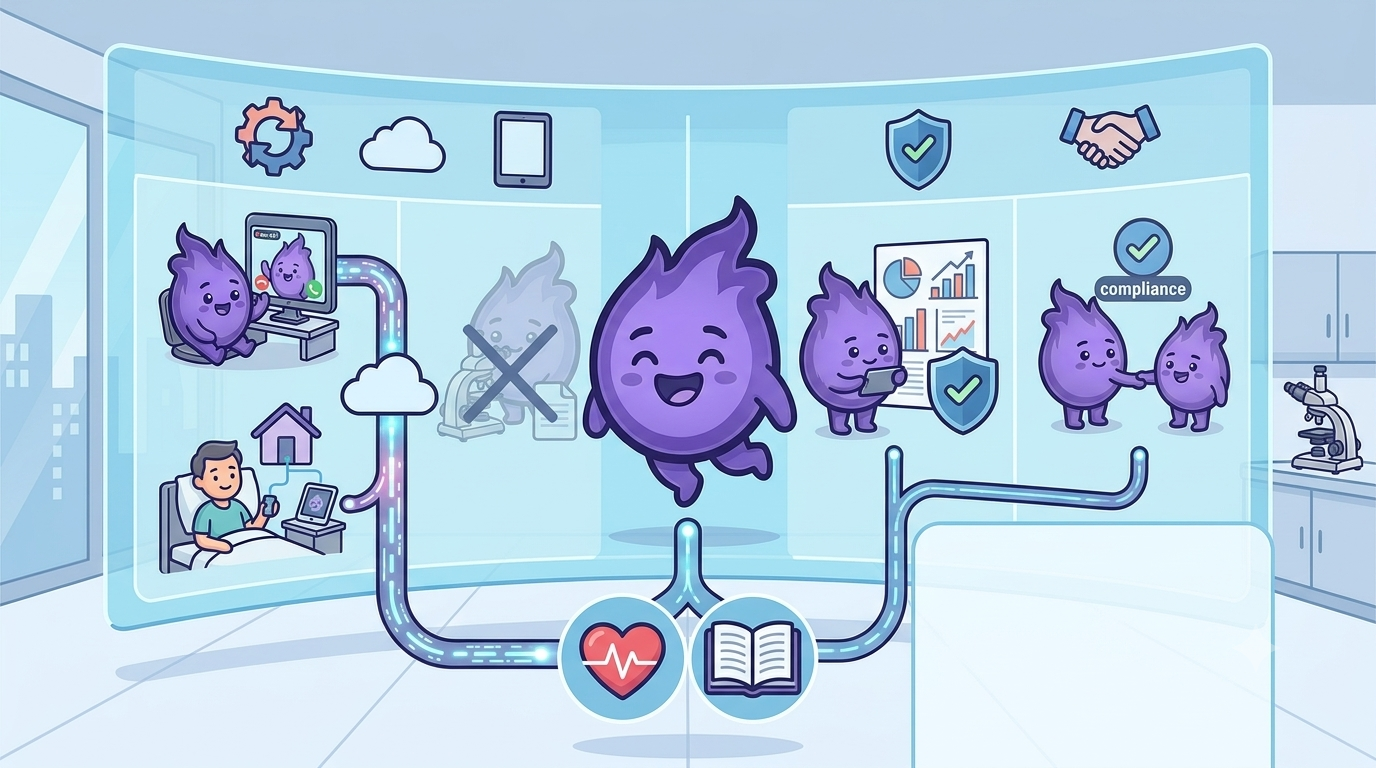
No sites, no binders, no physical visits. But fully virtual trials still need structure, support, and oversight. The work doesn't disappear - it just changes shape.
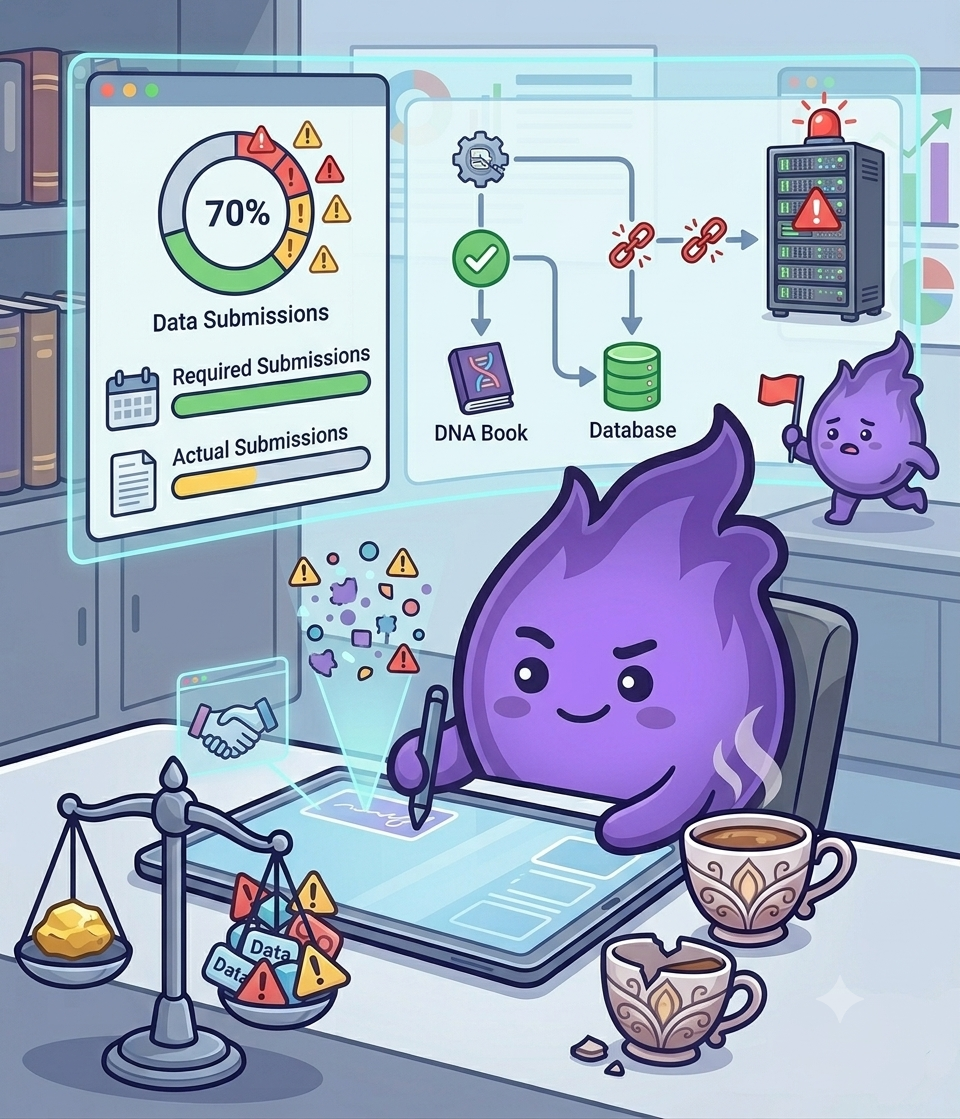
Designing a protocol is more than science. Every clause becomes a digital task, workflow, or alert. And if those aren't mapped early, study tools start to buckle.
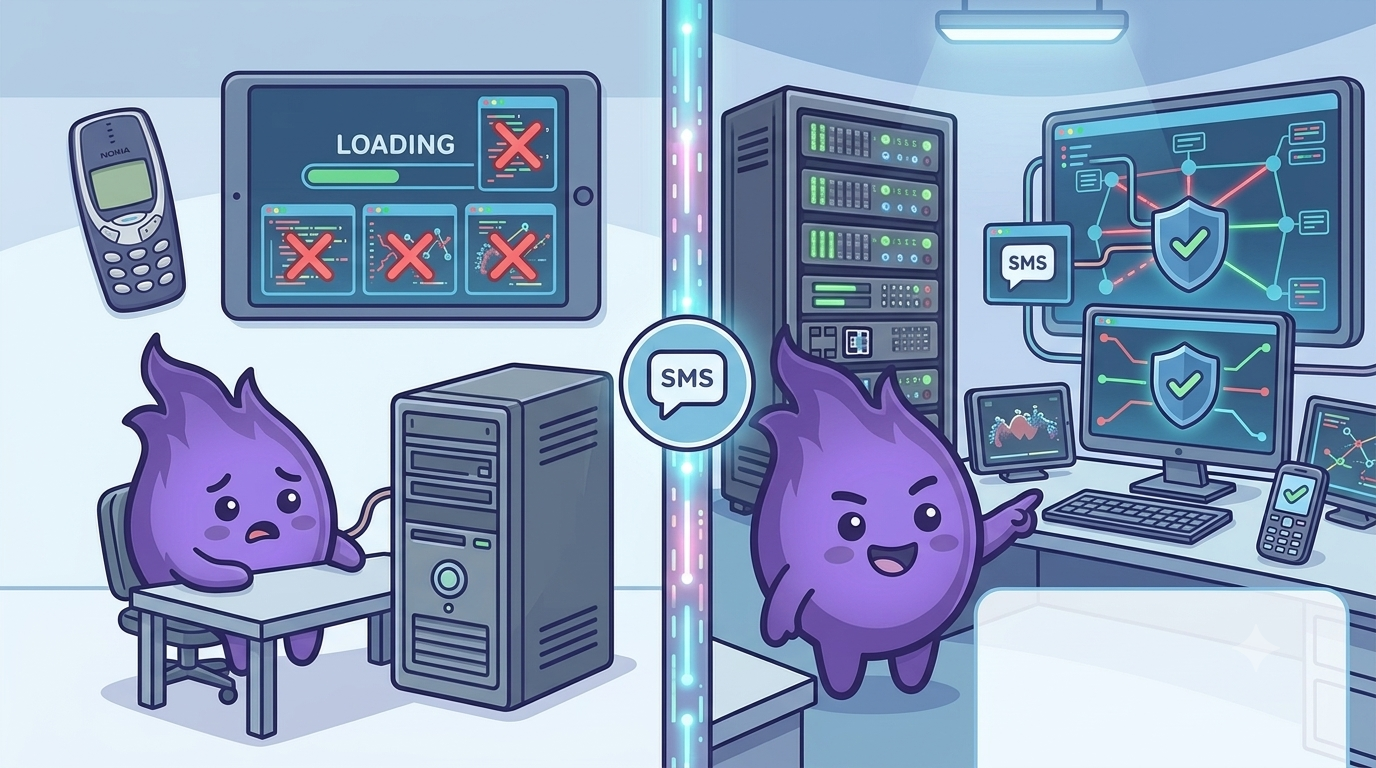
Apps might get more attention, but SMS still delivers. In digital trials, a simple text message can be the link that keeps participants engaged and on track.
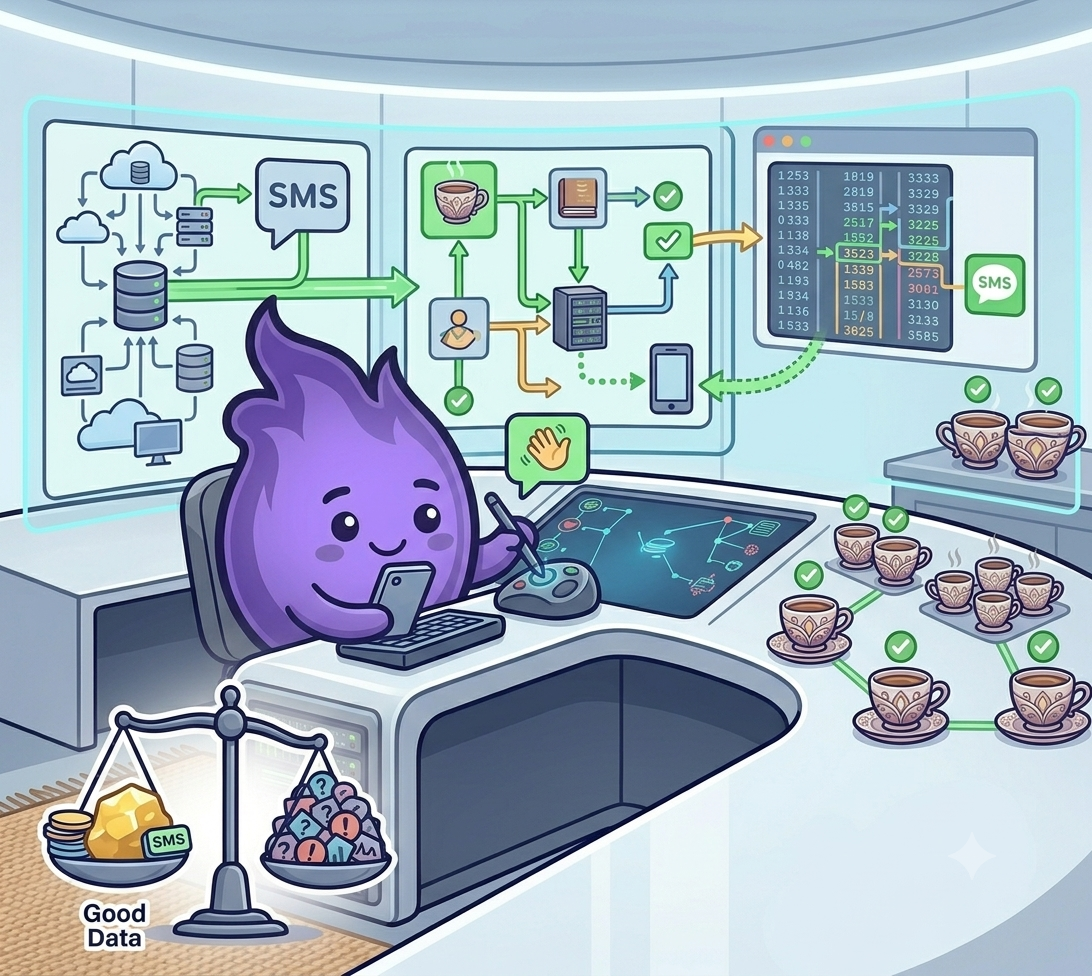
Audit trails should not be noise. They should tell a clear story of what happened, when, and why. In digital trials, they are how the study proves it was run with care.

Recruitment materials have got noticeably better at inclusive language. Consent forms, the document participants actually sign, are lagging behind.

The MHRA isn't banning AI from inspection responses. It is making it very clear who is accountable when an AI-assisted response turns out to be wrong.
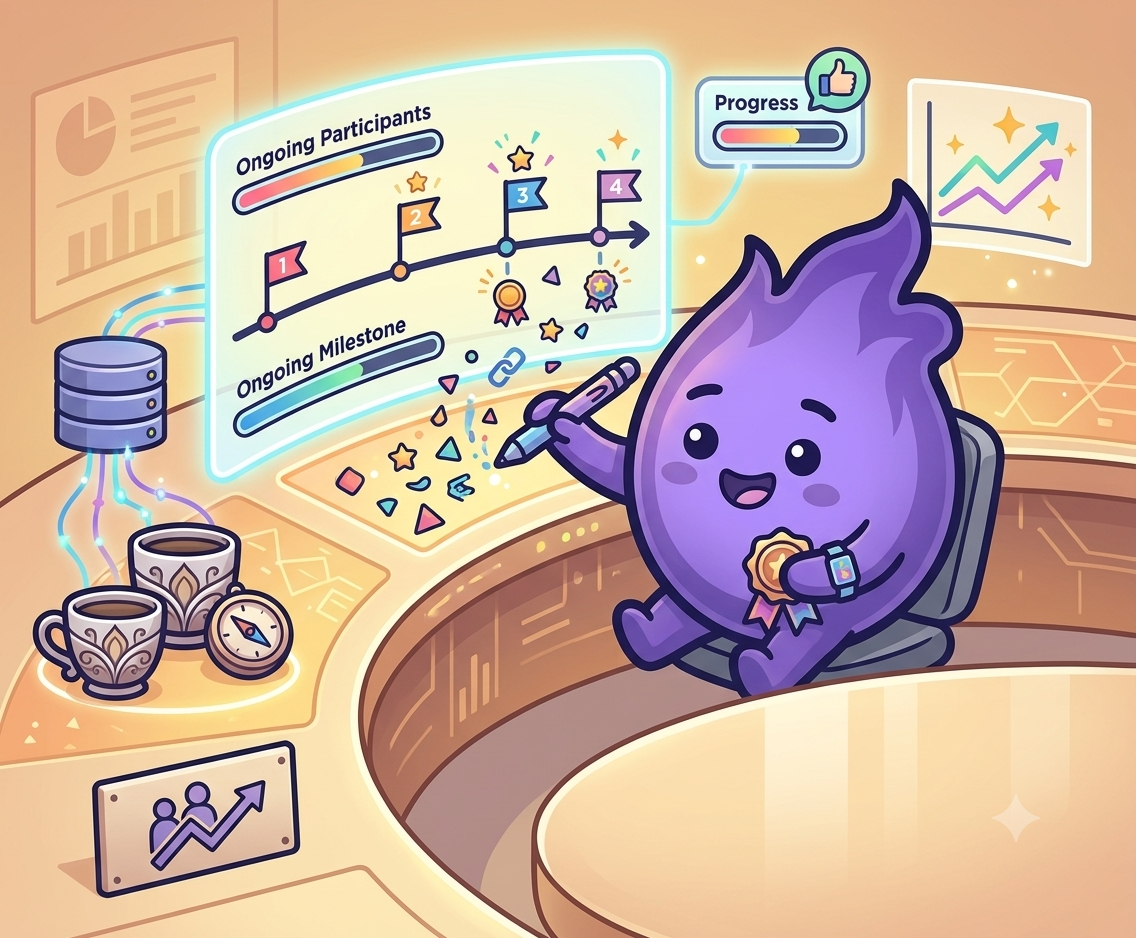
Long-term studies aren't won at sign-up. They're won in the quiet weeks when life gets busy, motivation dips and thoughtful design keeps participants going.
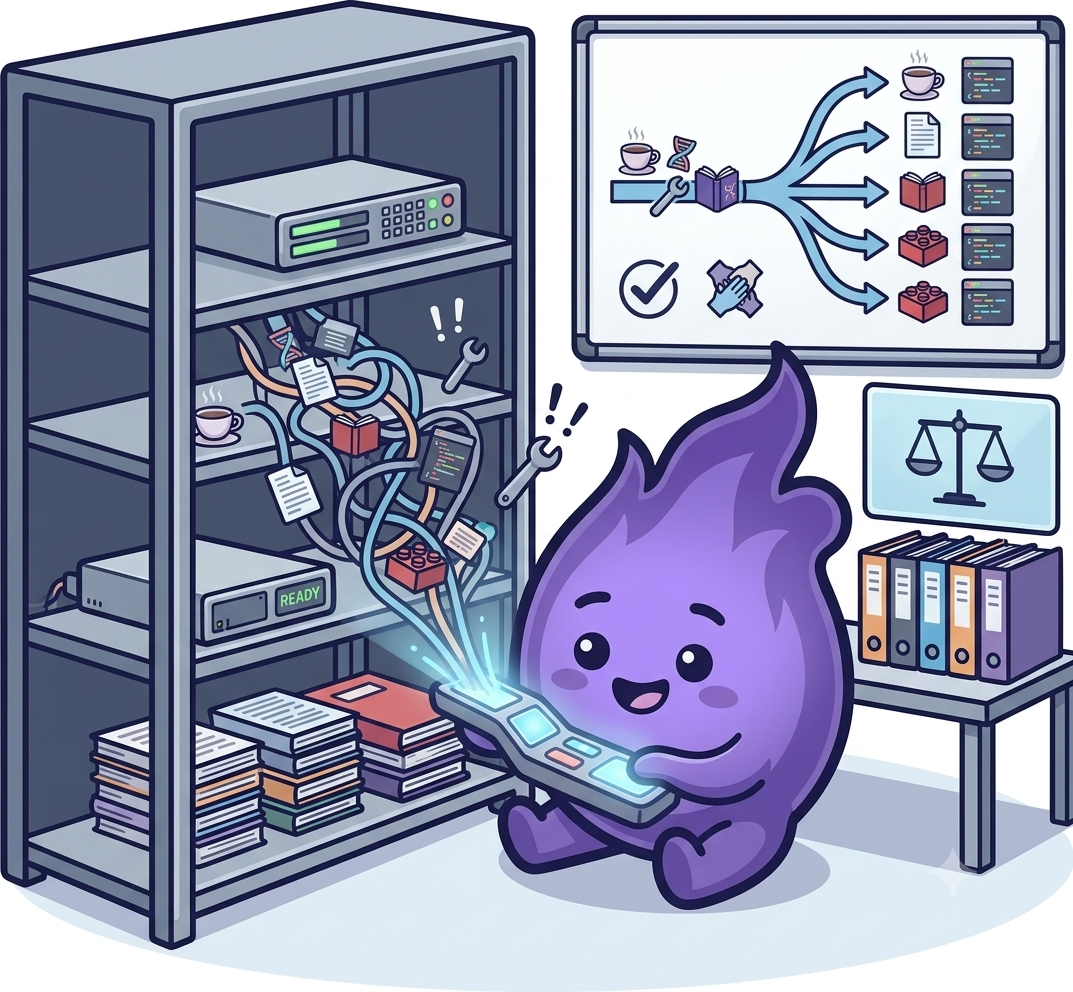
Digital trials shift the workload, but they don't remove it. Study sites still carry the weight, and how we support them makes all the difference.